

SAFETY FIRST. ALWAYS.
Your Safety Begins
Before Surgery.
Every surgical plan begins with a personal medical evaluation — understanding your health, your goals, and whether surgery is the right decision for you.
_____________

My responsibility is not simply to determine how to operate, but whether surgery is appropriate for you.
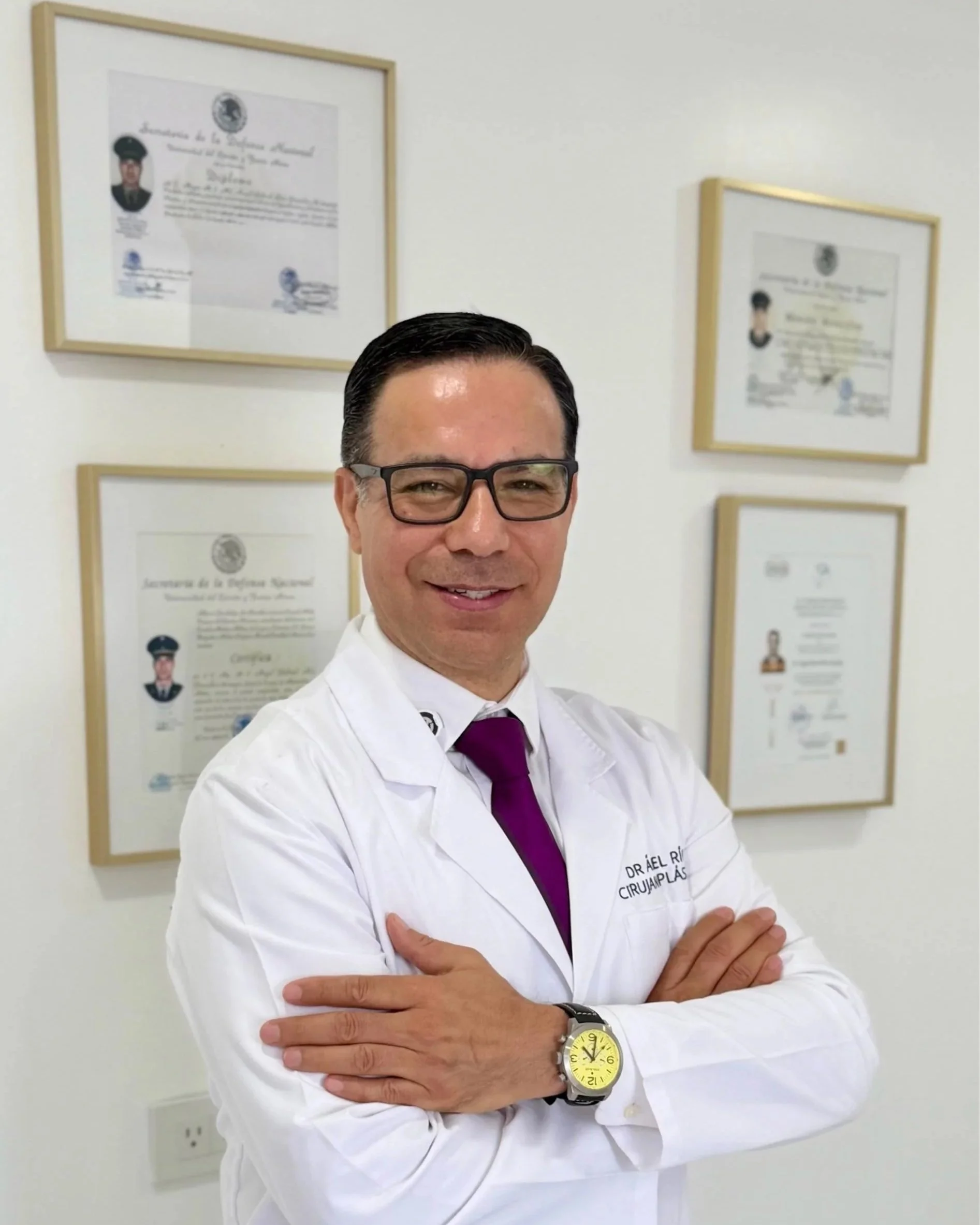
Dr. Ángel Ríos · Certified Plastic Surgeon in Mexico · Military Medical Training · 20+ Years of Experience
OUR APPROACH TO PATIENT SAFETY
Dr. Ángel Ríos approaches every surgical case through careful evaluation, individualized planning, and a transparent discussion of risks, limitations and alternatives.
Care is coordinated from consultation and preoperative preparation through surgery, recovery and follow-up.
Patient Safety Guides Every Decision.
EVALUATION · PLANNING · INFORMED DECISION-MAKING · FOLLOW-UP
OUR SAFETY PRINCIPLES
Four Principles of Patient Safety.
01 — PATIENT SELECTION
Medical history, individual risk factors, goals and expectations are carefully reviewed to determine whether surgery is appropriate.
02 — INDIVIDUALIZED SURGICAL PLANNING
The surgical plan considers anatomy, procedure complexity, expected operative time and recovery requirements.
03 — CONTROLLED SURGICAL ENVIRONMENT
Procedures are performed with qualified personnel, appropriate monitoring, established clinical protocols and emergency preparedness.
04 — POSTOPERATIVE FOLLOW-UP
Clear postoperative instructions, ongoing communication and scheduled follow-up support recovery and the timely recognition of concerns.
Experience Informs Judgment.
Protocols Support Patient Safety.
20+ YEARS OF SURGICAL EXPERIENCE
Two decades of plastic surgery practice, combined with military medical training, have shaped an approach grounded in preparation, evidence-informed protocols, and responsible clinical decision-making.
_________
BEFORE SURGERY
Preparation Matters
Medical Evaluation
Medical history, medications and supplements, prior procedures, individual risk factors, goals and expectations are reviewed to determine whether surgery is appropriate and whether additional evaluation is needed.
Clinically Indicated Testing
Laboratory tests or additional evaluations are requested when clinically indicated, based on health status, medical history, the planned procedure and anesthetic requirements.
Preoperative requirements are individualized. Testing and medication instructions vary according to the patient and planned procedure.
Individualized Preoperative Instructions
Patients receive procedure-specific guidance regarding medications and supplements, fasting, nicotine cessation, transportation and preparation for recovery.
A Controlled Surgical Environment
DURING SURGERY
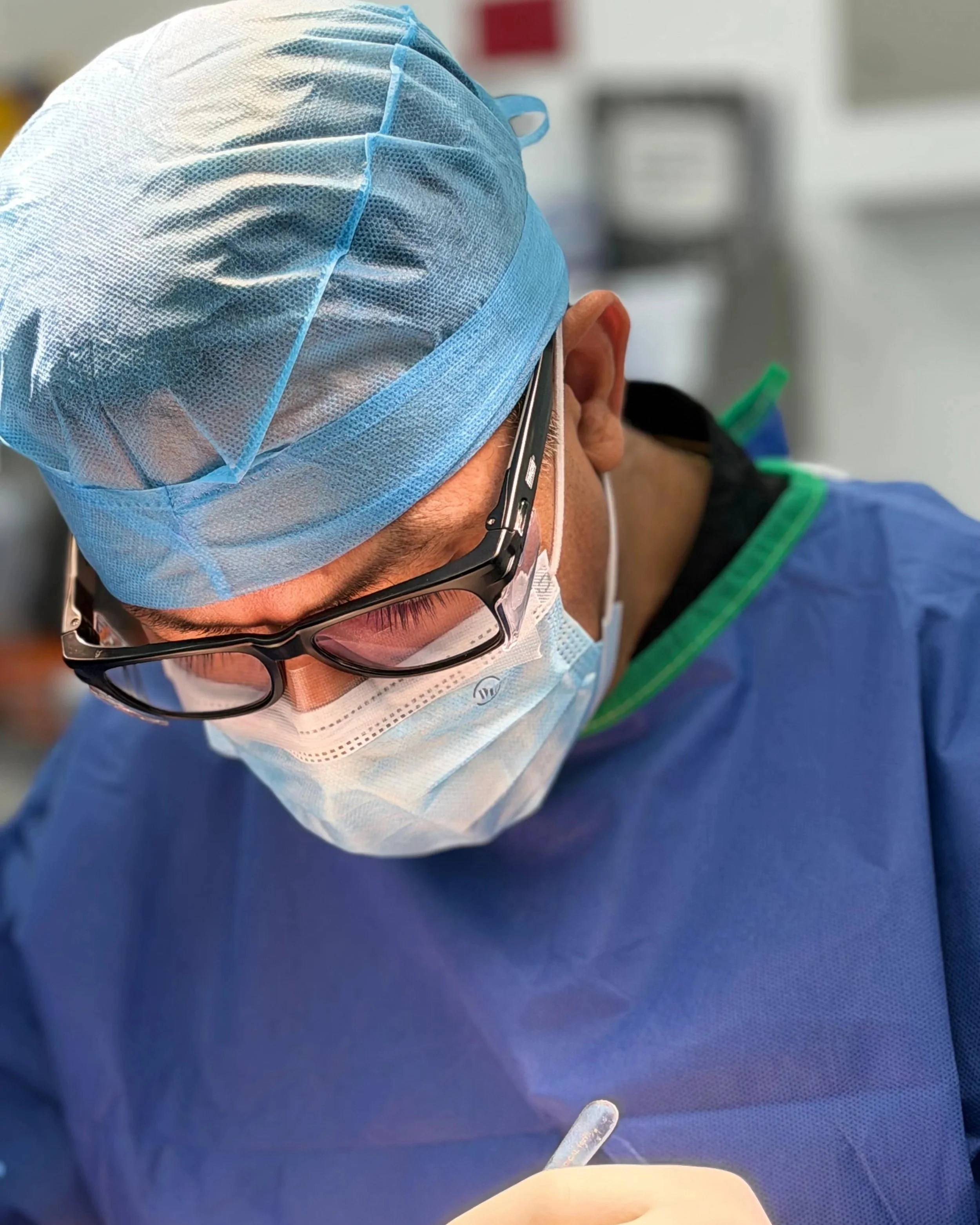
Qualified Surgical Team
Team composition is determined according to the planned procedure, anesthesia requirements, and individual clinical needs.
Intraoperative Monitoring
Monitoring is selected and maintained according to the anesthetic plan, procedure, and patient-specific factors.
Sterile Technique & Infection Prevention
Established sterile technique and infection-prevention protocols are followed throughout the procedure.
Individualized Surgical Plan
The surgical approach and extent are individualized according to anatomy, health, goals, and procedure-specific considerations.
Recovery Is Part of Surgery
AFTER SURGERY
Patient safety does not end when surgery is complete. Postoperative monitoring, clear instructions, communication, and scheduled follow-up are essential components of a safe recovery.
SURGERY · MONITORING · RECOVERY · FOLLOW-UP
TRAVELING FOR SURGERY
Safety Requires Planning Beyond the Operating Room
Patients traveling to Tijuana for plastic surgery require additional planning regarding arrival, accommodation, postoperative assistance, follow-up and the timing of their return home.
WHEN SURGERY SHOULD WAIT
Sometimes the Safest Decision Is Not to Operate
Not every patient is an appropriate candidate for surgery at every moment. Certain health conditions, medications, nicotine use, unrealistic expectations or other individual factors may require additional evaluation, treatment, modification of the surgical plan or postponement of surgery.
“Responsible plastic surgery also means knowing when not to operate”.
YOUR SAFETY STARTS WITH A PROPER EVALUATION
Every surgical journey should begin with an individualized medical consultation.